Nyhed
Researchers develop sustainable solutions for cooling megacities
Lagt online: 01.01.2025
Nyhed
Researchers develop sustainable solutions for cooling megacities
Lagt online: 01.01.2025
Researchers develop sustainable solutions for cooling megacities
Nyhed
Lagt online: 01.01.2025
Nyhed
Lagt online: 01.01.2025
By Susanne Togeby, AAU Communication and Public Affairs
Photo: Colourbox
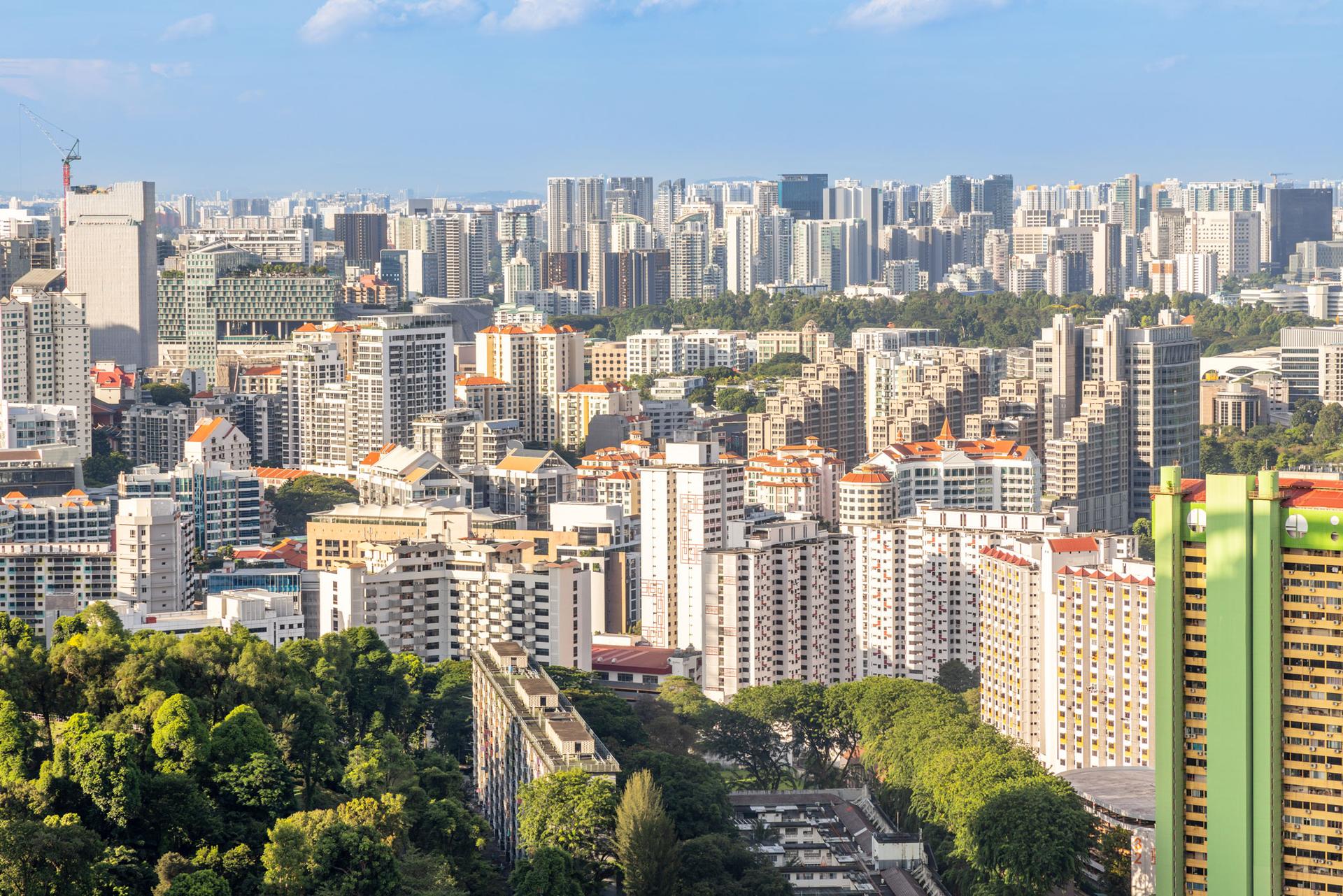
The planet has become warmer, and this is particularly evident in major cities. Megacities in Africa and Asia consume enormous amounts of energy to cool buildings, leading to large CO₂ emissions. The result is a vicious cycle: rising temperatures create even greater demand for cooling, which in turn increases energy consumption and CO₂ emissions, further aggravating the climate challenge.
Now, researchers from Aalborg University, Aarhus University, and Nanyang Technological University in Singapore have joined forces to break this negative cycle. The project Sustainable Water-based Cooling in Megacities, supported by DKK 60 million from the Grundfos Foundation, aims to develop intelligent and sustainable cooling systems that can reduce energy consumption in large cities by up to 30 percent – lowering both costs and CO₂ emissions.
One of the Danish strengths brought into play is decades of experience with district heating. In this project, the technology is turned upside down and applied to district cooling, where cold water is distributed to buildings instead of hot water.
Peter Sorknæs, Associate Professor at the Department of Sustainability and Planning, contributes to the project with energy system analysis. He explains:
“To ensure that the new cooling solutions can both be integrated into the overall urban energy system and be implemented where they make the greatest difference, we contribute with EnergyPLAN (advanced energy system analysis) and GIS (geographical analysis). These tools make it possible to evaluate how different energy technologies can best work together – and where sustainable solutions will have the largest impact in the city’s geography.”
The primary objective of this part of the project is to assist policymakers and authorities in developing and implementing sustainable cooling strategies tailored to the specific needs of megacities. The project will design both individual and communal district cooling systems that can be scaled and adapted across different types of urban areas.