Nyhed
Our fridge costs the climate – now repairs are deductible
Lagt online: 22.04.2026
Nyhed
Our fridge costs the climate – now repairs are deductible
Lagt online: 22.04.2026
We’re throwing the climate away along with the fridge
Nyhed
Lagt online: 22.04.2026
Nyhed
Lagt online: 22.04.2026
Af Susanne Togeby, AAU Kommunikation og Public Affairs
Foto: Colourbox
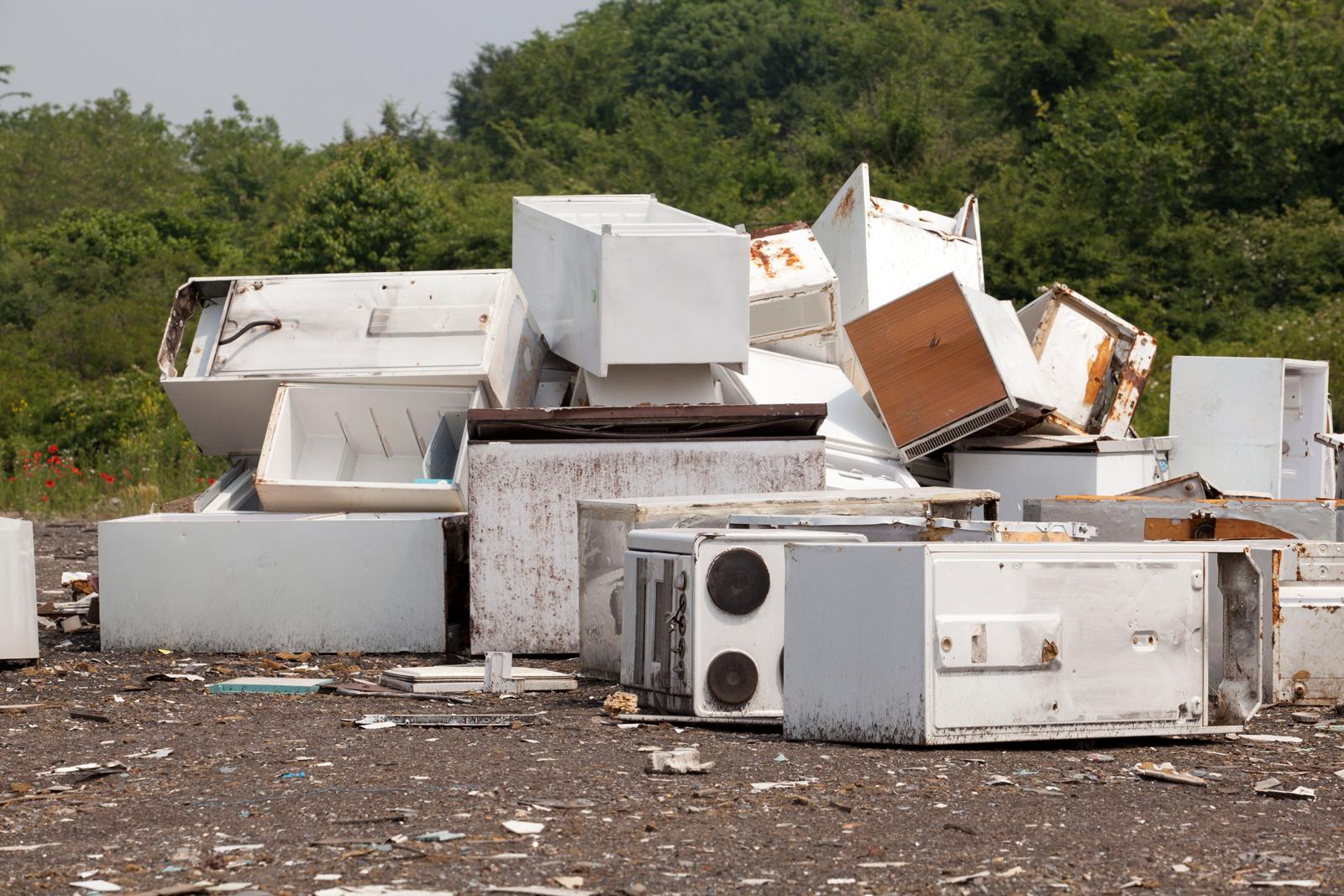
The production of large household appliances emits significant amounts of CO₂, putting pressure on the climate. When we discard our old appliances, a substantial share of this climate impact is wasted. This is shown by figures from Aalborg University.
“Approximately 40% of the embedded climate impact of large household appliances is lost when we discard them and only recycle the materials. We may also lose some of the metals and scarce raw materials used to manufacture these products – even when they are taken to recycling centres,” says Michael Søgaard Jørgensen, Associate Professor at the Department of Sustainability and Planning.
When we extend the lifespan of large household appliances, the climate impact is reduced because new appliances do not need to be produced – only spare parts. This also helps to reduce the amount of electronic waste.
If you have kept receipts for repairs to your large household appliances in 2025, you can deduct the labour costs from your tax under the service deduction scheme. The scheme applies to items such as fridges, ovens, extractor hoods and washing machines.
Despite the benefits of extending product lifespans, far too few large household appliances are repaired, according to Michael Søgaard Jørgensen.
“More than one in three faulty large household appliances end up as waste without any attempt at repair. For washing machines and tumble dryers, it is almost half. We need to move away from the buy-and-discard culture – both for the sake of the climate and the environment, and to avoid running out of critical raw materials.”
The figures come from an analysis of the purchase, ownership, repair and disposal of large household appliances and mobile phones, conducted by Michael Søgaard Jørgensen in 2024. Among other things, the study examined how Danes dispose of their household appliances.
Michael Søgaard Jørgensen points out that the high inspection fee often charged to assess whether a product can be repaired is part of the reason why many appliances are never even considered for repair. This can make buying a new, comparable product seem like an easier and more financially secure option – not least because household appliances are frequently on sale.
As an expert in the circular economy, Michael Søgaard Jørgensen has been in dialogue with several municipalities about how they can support reuse and repair.
The service deduction
Between 2025 and 2027, you can claim a tax deduction for the labour costs associated with repairing large household appliances in your home. You cannot deduct expenses for materials or inspection fees.
The service deduction amounts to up to DKK 18.300 per person in 2026 and DKK 17.500 in 2025.
The deduction applies to repairs of:
Source: Skat
Translated by: Laura Johanne Schou Carlsen